


Belgium Education Training Center Console Project | Customized Control Room Workstation Solution for Professional Learning Environments

As digital transformation continues to influence education and technical training across Europe, professional training centers and research institutions are increasingly adopting advanced simulation environments to support practical learning and operational training.
Unlike traditional classrooms, modern technical training environments require more than desks and computers. They need structured workspaces capable of supporting multiple systems, monitoring equipment, and long-term user interaction.
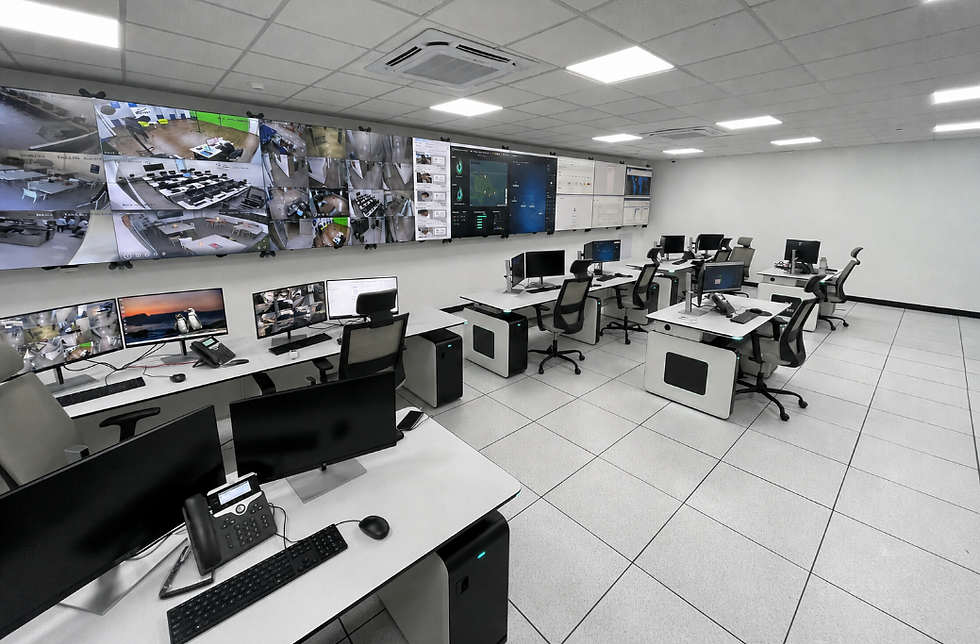
In a recent project in Belgium, KESINO delivered a customized control room console solution for an education and technical training environment, providing an ergonomic and organized workstation system designed for multi-user operation and professional training scenarios.
The project reflects a growing trend in European educational facilities: control room consoles are becoming an important part of simulation rooms, research environments, and technology-based learning centers.

The Evolution of Modern Training Environments
Technical education is becoming increasingly connected with real industrial applications.
Universities, vocational institutions, and research organizations are introducing simulation platforms that allow students and professionals to experience real operational environments before entering industrial workplaces.
These environments may include:
Industrial automation simulation
Energy system training
Smart technology demonstrations
Monitoring and operation exercises
Engineering research platforms
As these systems become more advanced, the physical workstation environment must also evolve.
A professional training center requires workstations that support equipment integration, collaboration, and long-term usability.
Challenges in Designing Educational Control Room Consoles
Compared with ordinary classrooms, technical training rooms have unique requirements.
Multiple users may operate systems simultaneously.
Different devices need to be connected and managed.
Equipment configurations may change as teaching programs develop.
The main challenges usually include:
Supporting Multiple Training Positions
Training environments often require several operators or students to work together while maintaining individual operating areas.
The console layout needs to balance collaboration and personal workspace.
Managing Complex Equipment Connections
Simulation systems typically include computers, displays, communication devices, and other technical equipment.
Without proper workstation planning, cables and devices can quickly become difficult to manage.
Creating a Professional Operating Environment
Students and trainees need to experience realistic working conditions.
A well-designed control room console helps create an environment closer to actual industrial operation centers.
Customized Control Room Console Solution for Belgium Project
For this Belgium education training center project, KESINO developed a customized workstation solution based on the facility's operational requirements.
The console system focused on three key objectives: usability, organization, and future adaptability.
Ergonomic Operator Console Design
Training sessions can last for several hours, requiring comfortable and efficient working positions.
The console layout was designed to support proper viewing angles, equipment accessibility, and a more natural operator experience.
Integrated Equipment Management
The workstation structure was designed to accommodate multiple devices while maintaining a clean and organized working environment.
This allows instructors and trainees to focus on operation tasks rather than equipment arrangement issues.
Modular Configuration for Future Development
Educational technology continues to change.
New simulation systems and training equipment are regularly introduced.
A modular control room console approach provides flexibility for future upgrades and layout adjustments.
Why Education Institutions Are Investing in Professional Consoles
In the past, training facilities mainly focused on software platforms and teaching equipment.
Today, more institutions recognize that the physical operating environment also affects learning effectiveness.
A professional training console provides:
A realistic industrial working environment
Better equipment organization
Improved operator interaction
Easier system maintenance
Long-term adaptability
For universities and technical institutions, this creates a stronger connection between classroom learning and real-world applications.
Applications of Education and Research Control Room Consoles
Customized control room consoles are widely used in:
University simulation laboratories
Technical training centers
Engineering research facilities
Industrial automation training rooms
Smart technology laboratories
Vocational education centers
Although these environments serve educational purposes, they share many requirements with industrial command centers.

Frequently Asked Questions
Why do training centers need professional control room consoles?
Modern training environments often involve complex equipment, multiple users, and simulation systems. Professional consoles provide better organization, ergonomics, and equipment integration compared with standard desks.
Can control room consoles be customized for universities and research institutions?
Yes. Console manufacturers can customize layouts, dimensions, materials, equipment integration, and workstation configurations according to different educational requirements.
What is the difference between a training console and a normal classroom desk?
A training console is designed for technical operation scenarios, supporting monitoring equipment, computers, communication systems, and long-term operational use.
Are control room consoles suitable for engineering education?
Yes. Many engineering and technical institutions use professional consoles to create realistic simulation and operation environments.
How can educational institutions prepare for future technology upgrades?
A modular console design allows easier modification and expansion when new equipment or training systems are introduced.
Conclusion
The Belgium education training center console project demonstrates the increasing role of professional control room workstations in modern technical education.
As universities and training institutions continue to integrate digital systems and industrial simulation technologies, the demand for flexible, ergonomic, and reliable console solutions continues to grow.
A well-designed control room console does more than provide a workspace. It creates an environment where people can learn, operate, and interact with advanced technologies more effectively.
Through customized engineering and international project experience, KESINO continues to support educational institutions and organizations worldwide in building professional operational environments.


Comments